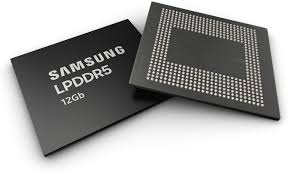
What is RAM in Mobile? Complete Guide for Beginners (2026) 
When buying a smartphone, you often see terms like 4GB RAM, 6GB RAM, or 8GB RAM. But many people don’t fully understand what RAM actually does and why it is important.
In this guide, we will explain what RAM is in a mobile phone, how it works, and how much RAM you really need.
RAM stands for Random Access Memory. It is a type of temporary memory that your smartphone uses to store data while apps are running.
👉 In simple words:
RAM helps your phone run apps smoothly and multitask without lag.
For example:
- When you open an app, it loads into RAM
- When you switch between apps, RAM keeps them active
⚙️ How RAM Works in a Smartphone
Think of RAM as your phone’s short-term memory.
- The more RAM your phone has → the more apps it can handle at the same time
- Less RAM → apps may reload or lag
Example:
- If you open WhatsApp, YouTube, and Chrome → all run in RAM
- If RAM is low → apps will close in the background
RAM plays a key role in overall performance.
✅ 1. Smooth Multitasking
You can switch between apps without delay.
✅ 2. Better Gaming Performance
Games need more RAM for smooth graphics and performance.
✅ 3. Faster App Loading
Apps open quickly and run smoothly.
✅ 4. Reduced Lag
More RAM means less hanging or slowing down.
📊 How Much RAM Do You Need in 2026?
Choosing the right RAM depends on your usage.
📱 4GB RAM
- Basic use
- Calls, WhatsApp, light apps
👉 Not recommended for long-term use
📱 6GB RAM
- Normal use
- Social media, browsing
👉 Good for average users
📱 8GB RAM
- Gaming + multitasking
- Smooth performance
👉 Best choice for most users ✅
📱 12GB+ RAM
- Heavy gaming
- Professional use
- Future-proof
👉 Best for power users
🎮 RAM and Gaming
If you play games like BGMI or Call of Duty:
- Minimum: 6GB RAM
- Recommended: 8GB or more
👉 More RAM helps:
- Reduce lag
- Improve frame rates
- Keep game running smoothly
⚖️ RAM vs Storage (Important Difference)
Many people confuse RAM with storage.
🧠 RAM:
- Temporary memory
- Used for running apps
💾 Storage (ROM):
- Permanent memory
- Used to store photos, videos, apps
👉 Example:
- RAM = Working space
- Storage = Storage space
⚡ Does More RAM Always Mean Better Performance?
👉 Not always.
Performance also depends on:
- Processor
- Software optimization
- Storage speed
👉 A well-optimized 6GB phone can perform better than a poorly optimized 8GB phone.
🔋 Does RAM Affect Battery?
Yes, but slightly.
- More RAM can use more power
- But modern phones manage RAM efficiently
👉 So battery impact is minimal.
🤔 Should You Buy More RAM?
👉 YES, if:
- You use many apps
- You play games
- You want long-term usage
👉 NO, if:
- You only use basic apps
- You are on a tight budget
What is RAM in mobile is one of the most common questions people ask when buying a new smartphone, and understanding it can help you make a smarter choice. RAM in mobile stands for Random Access Memory, and it plays a crucial role in determining how smoothly your phone runs. In simple terms, RAM in mobile is the temporary memory that stores data of apps and processes that are currently in use. Whenever you open an app, switch between apps, or play games, your mobile uses RAM to keep everything running quickly and efficiently. The more RAM in mobile your device has, the better it can handle multitasking without slowing down. For example, if your phone has low RAM, you may notice apps reloading frequently, lag while switching apps, or slow performance during heavy usage. On the other hand, a mobile with higher RAM can keep multiple apps open in the background and provide a smoother experience.
When discussing what is RAM in mobile, it is also important to understand how it differs from storage. Many people confuse RAM with internal storage, but both serve different purposes. Storage is used to save files, photos, videos, and apps permanently, while RAM in mobile is used only for temporary data processing. Once you close an app or restart your phone, the RAM gets cleared. This is why having sufficient RAM in mobile is essential for fast performance. In today’s smartphones, RAM options usually range from 4GB to 16GB or more, depending on the device category. For basic users, 4GB to 6GB RAM in mobile is generally enough for everyday tasks like calling, browsing, and social media. However, for gamers and heavy users, 8GB or higher RAM in mobile is recommended for better performance and lag-free experience.
Another key aspect of what is RAM in mobile is how it affects gaming and multitasking. High-end games and apps require more RAM to function properly, and insufficient RAM can lead to frame drops and crashes. Similarly, if you like to switch between apps frequently, higher RAM in mobile ensures smoother transitions without delays. Many modern smartphones also use RAM management features and virtual RAM technology to enhance performance, but physical RAM still plays the most important role. In conclusion, understanding what is RAM in mobile helps you choose the right smartphone based on your needs. Whether you are a casual user or a power user, selecting the right amount of RAM in mobile can significantly improve your overall smartphone experience.
Positive and Negative Sides of RAM in Mobile
Understanding what is RAM in mobile also helps you know its advantages and disadvantages. One of the biggest positive sides of RAM in mobile is improved performance. Higher RAM allows your smartphone to run apps smoothly without lag, making multitasking easier. You can switch between multiple apps, play heavy games, and browse the internet without slowdowns. Another advantage of RAM in mobile is better gaming experience, as high RAM ensures stable frame rates and faster loading times. It also helps in keeping apps running in the background, saving time when reopening them.
However, there are also some negative sides of RAM in mobile. One major drawback is that more RAM increases the cost of the smartphone, making high-RAM devices expensive. Additionally, having very high RAM in mobile does not always mean better performance if the processor is weak. Another downside is battery consumption, as more RAM can slightly increase power usage. Lastly, unused RAM is wasted if your usage is basic, meaning you may pay for extra capacity you don’t actually need.
🏁 Final Thoughts
RAM is one of the most important parts of a smartphone. It directly affects how smoothly your phone runs and how well it handles multiple tasks.
👉 For most users in 2026:
8GB RAM is the best balance of performance and value
Choosing the right amount of RAM ensures your phone stays fast and responsive for years.